Dependable water heater solutions play an essential role in ensuring consistent hot water for daily routines. Regular maintenance can enhance efficiency and extend the unit's lifespan. Nevertheless, many homeowners overlook indicators of a need for maintenance. Understanding these indicators and the importance of expert service can avoid surprising problems. What are the typical indicators that your water heater could require service?
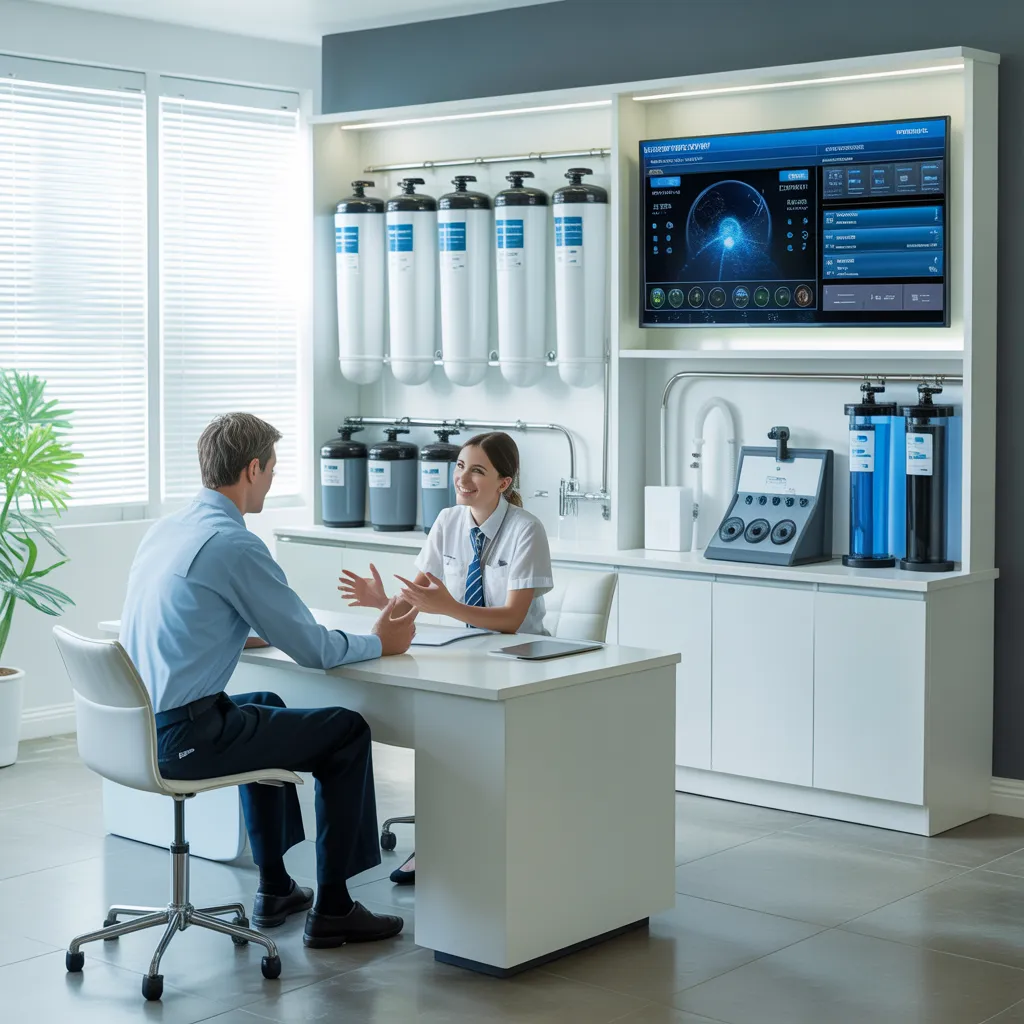
Common Signs Your Water Heater Needs Maintenance
Water heaters frequently display subtle signs when they need repair. One common indication is unstable water temperature; when users detect changes from hot to cold, it may point to a malfunctioning thermostat or heating element. Additionally, strange noises, such as popping or rumbling, can indicate sediment buildup, which impairs efficiency. Leaks around the appliance also need attention, as they may indicate loose connections or internal tank problems. Furthermore, discolored water or a bad smell can signal rust or corrosion, damaging water quality. Finally, if the heater has difficulty providing sufficient hot water for everyday use, it might be time for a professional evaluation. Early recognition of these signs can avoid bigger problems and ensure consistent hot water supply. By watching these signs, homeowners can keep the efficiency and lifespan of their water heating units.
Why Routine Maintenance Keeps Your Water Heater in Good Condition
Regular maintenance is necessary for attaining ideal performance of a water heater. It boosts energy efficiency, prolongs the appliance's lifespan, and helps identify potential problems before they escalate. By prioritizing maintenance, homeowners can keep their water heaters in superior condition.
Optimized Energy Utilization
The maintenance of a water heater is important for boosting its energy efficiency over time. Routine maintenance tasks, such as flushing the tank and inspecting the heating elements, assist in ensuring peak performance. Sediment buildup can impair heating efficiency, causing more energy consumption to reach desired temperatures. By tackling these issues quickly, homeowners can lower energy use and reduce utility bills. Additionally, checking the thermostat settings and confirming proper insulation around pipes can boost efficiency. Technicians can detect and repair minor problems before they worsen, making sure the water heater operates smoothly. This proactive strategy not only preserves energy but also supports a more sustainable household, reflecting the growing focus on environmental responsibility.
Increased Appliance Operational Lifespan
A well-maintained water heater not only boosts energy efficiency but also extends its lifespan significantly. Routine upkeep activities, such as draining the tank to eliminate sediment buildup and checking the anode rod, help prevent corrosion and scale accumulation. This proactive approach guarantees that the appliance operates smoothly, reducing wear and tear on its components. Moreover, routine inspections can identify potential issues before they escalate, allowing for timely repairs that extend the unit's longevity. By investing in consistent maintenance, homeowners can enjoy consistent hot water and avoid the costly replacement of their water heaters. Ultimately, a commitment to maintenance translates to dependable performance and a longer, more efficient lifespan for the appliance.
Preventative Issue Detection
Taking a proactive approach to maintenance is essential for identifying potential water heater problems before they escalate into major issues. Routine inspections enable technicians to spot early signs of wear, such as sediment buildup, corrosion, or malfunctioning parts. Promptly addressing these matters can avoid expensive repairs and prolong the unit's lifespan. Consistent upkeep ensures optimal efficiency, cutting down on energy bills and improving performance. Scheduling yearly check-ups helps homeowners ensure steady access to hot water, providing comfort throughout their daily activities. Moreover, this preventative strategy offers peace of mind, knowing the water heater functions safely and reliably. In the end, regular maintenance is a wise investment in dependability and lasting satisfaction for any home.
Professional Services: Ensuring Your Water Heater Operates at Peak Efficiency
While many property owners may ignore the significance of routine care, professional services play a vital role in ensuring a water heater's performance. Specialists have the expertise to perform thorough inspections, detecting problems that may escape notice by untrained eyes. They assess vital parts, such as thermostats, heating elements, and sediment buildup, which can significantly influence performance.
Consistent maintenance, such as flushing the tank and verifying connections, prevents potential breakdowns and lengthens the lifespan of the apparatus. In addition, professionals can reset adjustments for superior performance, confirming that the water heater performs at peak efficiency.
Selecting the Ideal Water Heater for Your Residence
In what manner can homeowners make sure they pick the most suitable water heater for their needs? The journey starts with understanding the multiple types available, including tankless, storage, and heat pump water heaters. Each type has distinct benefits; for instance, tankless models supply on-demand hot water, while storage heaters deliver a steady source.
Homeowners should also evaluate their household size and hot water demands. Larger households may require a oversized water tank, while smaller family units might take advantage of the cost-effectiveness of tank-free technology. Additionally, energy efficiency standards hold significant weight in sustained financial benefits. Homeowners should search for models with ENERGY STAR certifications.
Ultimately, assessing fuel types—gas, electric, or solar—can considerably affect installation and operating costs. Engaging plumbing experts can provide more perspectives, allowing homeowners to make informed decisions matched to their particular needs and preferences.
DIY Tips for Basic Problem-Solving
When dealing with water heater issues, a few basic diagnostic procedures can often result in quick fixes. Verifying the power supply is essential, as a minor electrical problem may be the cause. Furthermore, inspecting the temperature settings can help ensure the heater functions within the preferred range.
Check the Power Supply
Verifying the power supply is a critical initial step when diagnosing water heater failures. A water heater might not work if it does not receive enough power. First, ensure that the unit is plugged in and that the circuit breaker has not switched off. If the breaker is tripped, a reset may restore power. Checking for blown fuses is also necessary; replacing any blown fuses can fix power issues. Moreover, inspecting for loose electrical connections can help. If the water heater runs on gas, confirming that the gas supply is on and active is essential. By methodically assessing these parts, one can effectively address basic power supply problems before calling a professional.
Evaluate Temperature Settings
A simple review of the temperature controls can often identify the cause of water heater problems. Many homeowners overlook this easy step, yet it is important for peak performance. Water heaters usually perform best at a temperature between 120°F and 140°F. If the setting is too low, it can lead to tepid showers, while too high settings may create scalding hazards. Adjusting the thermostat is straightforward; most units have a dial or digital interface for convenient modifications. It is prudent to check the temperature with a thermometer to confirm accuracy. If changing the settings doesn’t fix the issue, further investigation might be needed, potentially involving professional assistance. Regular inspections can help maintain an well-functioning and safe water heater.
What to Expect During Your Water Heater Maintenance Visit
Although many homeowners may feel uncertain about what to expect during a water heater maintenance visit, grasping the process can diminish concerns. Typically, a competent technician will arrive at the set time, supplied with the necessary tools and parts. Upon arrival, they will assess the unit's shape, examining for leaks, corrosion, and other potential issues.
The technician will also examine the heat configuration and guarantee the heater is operating properly. If maintenance is required, the technician will explain the issues and offer a detailed estimate before proceeding. Customers can expect transparent dialogue throughout the visit, resolving any inquiries or issues.
At the termination of the service, the contractor will impart maintenance tips to help strengthen the appliance's capability and fuel efficiency. Overall, a reputable water heater care visit intends to establish trustworthy performance, giving homeowners peace of mind about their water heating capacity.
Ways to Increase Your Water Heater's Operational Life
Extending a water heater's durability calls for proactive maintenance and attention to detail. Consistent checks are important, permitting homeowners to spot potential malfunctions before they escalate. Flushing the tank every year removes sediment buildup, which can damage efficiency and lead to corrosion. Furthermore, inspecting the anode rod every few years assures protection against rust, as its deterioration alerts the need for replacement.
Additionally, keeping the proper temperature configurations, generally around 120°F, enhances both security and power conservation. Insulating the tank and pipes reduces heat loss, further supporting to longevity. Homeowners should also be conscious of the water quality; hard water can significantly shorten a water heater's lifespan.
Finally, scheduling professional maintenance every few years can offer critical information into the unit's condition, guaranteeing it operates at peak performance. By following these steps, homeowners can optimize their water heater's efficiency and longevity, resulting in consistent, enjoyable hot water.
Regular Inquiries That Come Up
How Can I Identify if My Water Heater Is Energy Efficient?
To determine if a water heater is energy efficient, one should check its Energy Factor find the facts (EF) rating, evaluate operating costs, review the insulation quality, and evaluate whether it meets current energy standards for peak performance.
What Popular Water Heater Brands Are There and What About Their Performance?
Top water heater selections include Rheem, A.O. Smith, and Bradford White. Usually, Rheem and A.O. Smith are recognized for strength, while Bradford White garners praise for consistency. Consumer testimonials frequently underline their efficiency and lasting power.
What sustainable water heater choices are obtainable?
Yes, green water heater alternatives are accessible, featuring solar water heaters, heat pump systems, and tankless models. These options advance fuel conservation, minimize carbon footprints, and can reduce utility costs over time, benefiting both users and the environment.
How Regularly Should I Replace My Water Heater?
Professionals generally recommend upgrading a water heater every 8 to 12 years, depending on the model and care. Routine examinations can help determine its efficiency and functionality, making sure timely replacement when required.
What Protections or Assurances Should I Consider?
When selecting a water heater, individuals should seek guarantees that include parts and labor for at least five to ten years, as well as guarantees on functionality and installation to guarantee long-term contentment and reliability.